

Healing Herbs for Gynecological Issues: A Natural Approach
Women have been utilizing the healing impact of herbs for gynecological issues for a long time, and have used them to discover ease and equilibrium through natural methods. Today, there is still a strong dependence by women upon herbs for menstrual pain, hormonal instability, and fertility problems. Unlike synthetic medicines, which can cause side effects, herbal treatments are often gentle in their support, with added benefits as they increase general health.
Old herbalism has come into new attention with the rising interest in alternative medicine. From regulating the menstrual cycle to ideal reproductive health, these remedies enable women to take control over their health. Nevertheless, by learning about specific healing herbs, women can look after their discomfort in a typical prescriptive way to improve the quality of their lives in natural ways.
Herbal Remedies for Menstrual Pain Relief
Period cramps and pain are common gynecological issues that can interfere with daily livelihood. Because of its effectiveness in pain relief, herbal pain relief has been adopted for relief from cramps without the use of harsh drugs. Chamomile tea, ginger, and cinnamon have been repeatedly suggested for their ability to decrease inflammation, relax the muscles, and help the blood flow. These herbs not only have a soothing effect but also reduce pain and keep the mood calm during the cycle.
Distributed herbs for menstrual pain also include age-old traditions of different communities. Ginger, for instance, has been mentioned in the literature as an extensively used medicinal product in Ayurvedic medicine because of its warming effect on the body. Likewise, chamomile calms the nervous system, thus making it easier for women to deal with stress, along with physical pain. Women can feel actual relief when they include these natural herbs in their daily lives and improve their menstrual health.
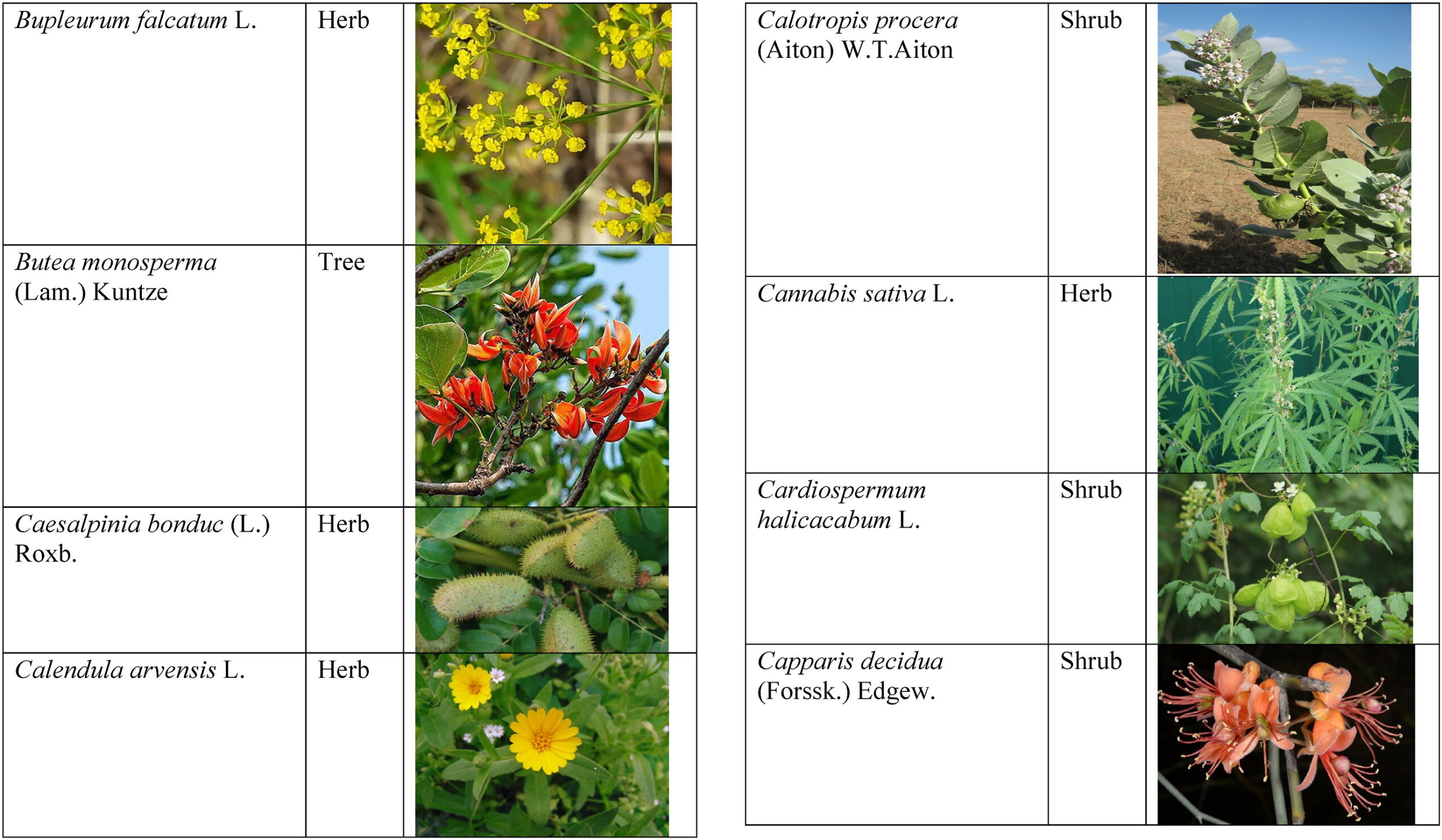
Hormone Balancing Herbs for Women
Imbalance of the hormones is a major cause of problematic menstrual cycle, mood changes, and other reproductive issues. Herbs that balance hormones like maca root, vitex (chasteberry), and ashwagandha play a powerful role in regulating hormone function. They benefit the endocrine system, inducing the production of adequate amounts of hormones in the body. This is a natural way to stabilize the menstrual cycle and fertility.
They also help in stabilizing the emotions as well as the energy. Ashwagandha, for example, reduces cortisol, which is the stress hormone that is usually the cause of disturbed reproductive health. Vitex is good for progesterone production, which is necessary for maintaining reproductive balance. By bringing these healing herbs into daily health-care routines, the risk of long-term hormonal imbalance in women can be minimized.
Fertility Herbs for Natural Conception Support
Female infertile individuals, who find it difficult to conceive a child, can be helped by the fertility herbs without invasive treatments. Red clover, nettle leaf, and raspberry leaf are prevalent nutrients to feed the reproductive system. They provide nutrients such as calcium, magnesium, and iron, which boost the immune system’s health and prepare the body for pregnancy. Herbal teas prepared from these plants can provide correction in the circulation and a proper environment for conception.
Another positive effect of the fertility herbs is that they can help balance both hormones. They regulate estrogen and progesterone to allow efficient ovulation and implantation. Fertility experts have found success in pacing these natural remedies together with medical treatments for couples who seek alternative natural ways of improving fertility. The use of the herbs on a regular basis can make it an important part of a woman’s fertility approach.
Ayurvedic Herbs for Gynecological Issues
Ayurvedic Herbs have been used in holistic medical programs for centuries. Shatavari (the “queen of herbs” in Ayurveda) is so lauded as an herb of Ayurveda for its benefits to reproductive vitality and breastfeeding. It increases the tone of the uterus and regulates the hormonal environment, which is also very helpful in perimenopause. Another well-known Ayurvedic plant is turmeric, which is anti-inflammatory and improves detoxification, which is essential for good reproductive health.
These Ayurvedic herbs also facilitate emotional and spiritual well-being. Shatavari has anxiety-suppressing effects and restores vitality, so it becomes very useful during stressful stages of reproduction. Besides enhancing physical health, turmeric also enhances the immune system and prepares the body to overcome the challenges of gynecological problems. By integrating these traditional herbs with modern understanding, women will be able to see their reproductive care holistically.
Integrating Healing Herbs for Gynecological Issues into Daily Lifestyle
Information on healing herbs for gynecological issues is important, but it is what you do every day that matters. Herbs can improve reproductive health when you use them in teas, supplements, or food. For example, drink raspberry leaf tea daily to strengthen the uterine lining. Take ashwagandha supplements to control stress hormones and boost energy levels.
The most important point is that things have to be consistent for long-term results. Before implementing a regimen, women ought to consult an experienced herbalist or a healthcare provider so that they can have the appropriate dosage and its compatibility with their health requirements. However, using healing herbs in daily life should not be simply focused on connective symptoms, for, as with energetic practices, it should be focused on restoring balance, strength, and resilience over time.
